Some lessons are best learned by experiencing them firsthand.
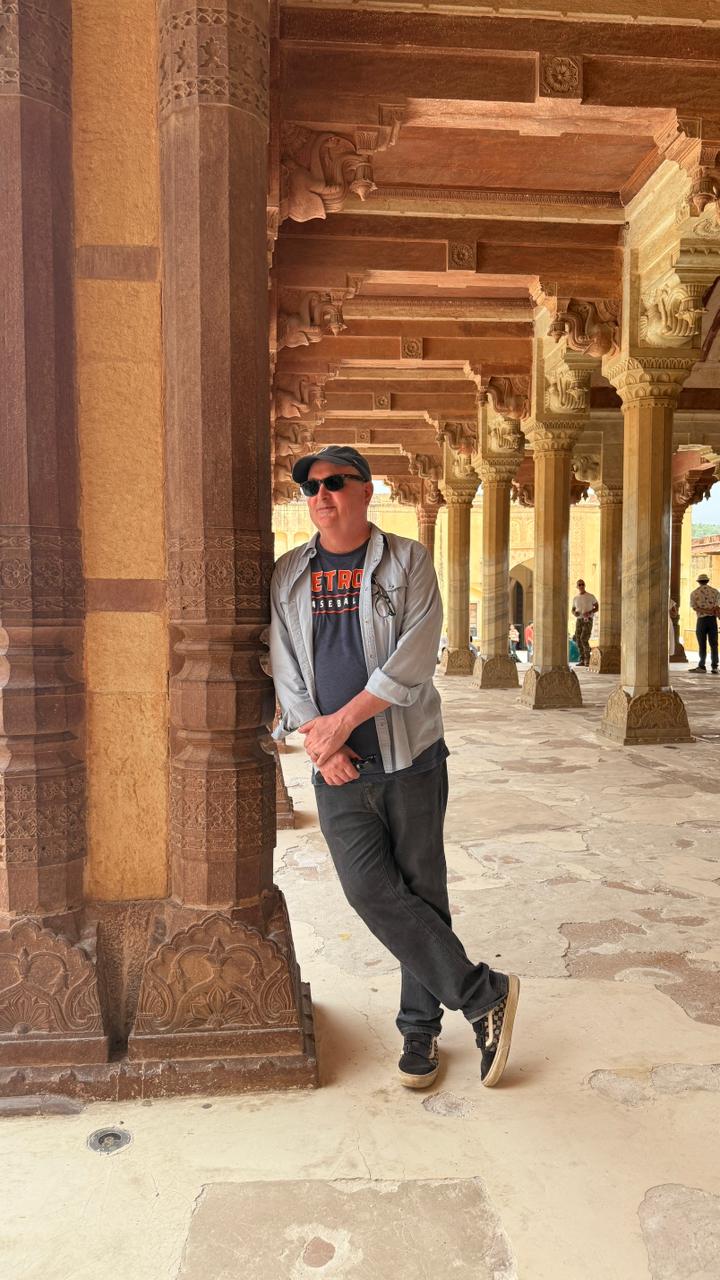
In ISS 330B/SSC 496: Documentary Filmmaking and Social Science Research in Udaipur, India, students combine international travel, hands-on research, and documentary filmmaking to explore culture and community through the lens of social science. We spoke with Dr. Eddie Boucher, who leads the program, about the power of documentary storytelling, why Udaipur is an ideal classroom, and what students gain from the experience.
What inspired you to create this program?
This program goes back to 2010, when I first started taking students to India while teaching at a community college in Kansas City. From the beginning, there was something incredibly powerful about cultural exchange, getting students out into the world, expanding their worldview, and learning through direct experience rather than just a textbook.
The program has evolved over the years. Initially, students conducted qualitative research and wrote traditional papers. Then we started incorporating photography and other visual elements into their projects, which became an early form of storytelling. Eventually, that turned into documentary filmmaking.
One thing I've learned is that nothing beats being there. There's simply no substitute for experiencing another culture firsthand, talking with people, observing daily life, and learning in the field. The impact of that experience speaks for itself. I've watched students arrive unsure of themselves and leave transformed. They develop confidence, curiosity, and a much deeper understanding of the world.
What makes this program unique is that students are doing meaningful research and then creating something public-facing. They're building skills in qualitative research, storytelling, and collaboration while producing work that can reach audiences beyond academia. Over the last 15 years, we've built strong partnerships with institutions in India, creating opportunities for students from both countries to learn from one another in an ethical and mutually beneficial way.
What makes documentary filmmaking such a powerful way to learn about culture and history?
Documentary filmmaking takes research off the page and brings it to life. Instead of simply reading about people and places, you're hearing voices, seeing expressions, observing environments, and experiencing stories in a much more human way.
I think documentary filmmaking resonates with students because they're already living in a world of visual storytelling. Whether it's through social reels or Netflix documentaries, they're constantly engaging with stories through images and video. Rather than fighting that reality, we've embraced it and connected it to academic research.
My job is teaching qualitative research and data analysis. On paper, that can sound intimidating or even boring. But when you frame it as, "Let's investigate something meaningful and tell a compelling story about it," students become energized. They're still doing the research, but they're presenting it in a format that feels engaging and creative.
Why is Udaipur an ideal location for this program?
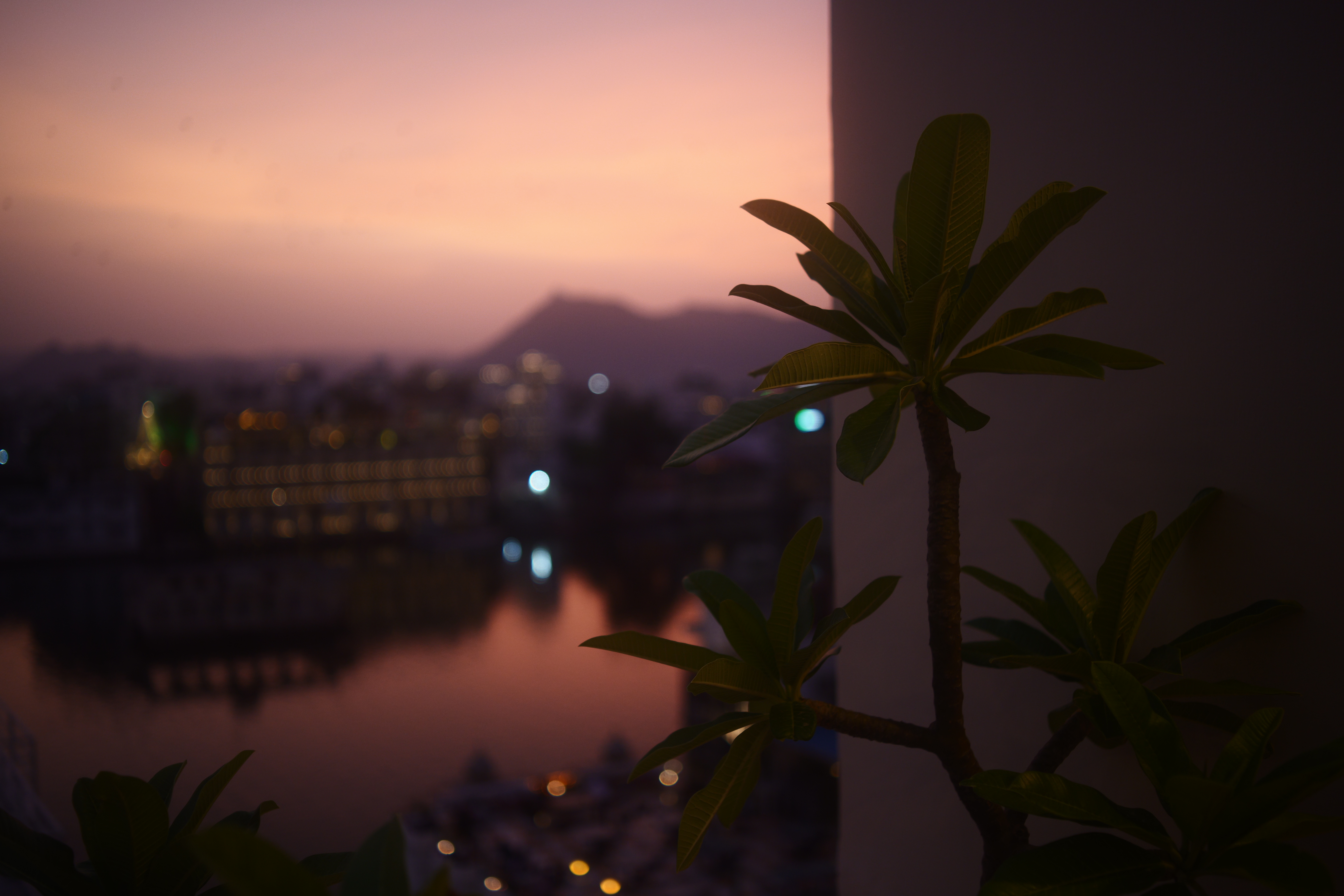
The program originally focused heavily on craft and design, and Rajasthan, a state in northwestern India, is one of the most vibrant centers of artistic expression and handicraft production in the country. We started in Jaipur, Rajasthan's capital city, and would often bring students to Udaipur, another city in the state, for weekend excursions. Every time we visited, students were fascinated by what they found there.
Eventually we decided to build the program around Udaipur itself, and the response was overwhelmingly positive. The city offers endless opportunities for storytelling. Students can explore topics related to food, culture, religion, tourism, environmental issues, community life, craftsmanship, and much more.
Beyond that, the setting itself is extraordinary. Udaipur is surrounded by beautiful landscapes, historic sites, temples, wildlife preserves, and small communities, which all provide opportunities for research. Every year students discover stories we never would have anticipated, and that's one of the reasons I can't imagine moving this program anywhere else. The possibilities for exploration and storytelling feel endless.
Many students may not see themselves as researchers or filmmakers. What would you say to someone who is interested in the program but has little or no experience in either area?
I'd tell them that every human is already a storyteller. You don't need to arrive as an expert researcher or an experienced filmmaker to be successful in this program.
What we're really doing is helping students learn how to pay attention. Whether you're interested in a farmers' market, a restaurant, a craft market, or a local community, there are stories everywhere. Research is simply a way of understanding those stories more deeply, and filmmaking is a way of sharing them with others.
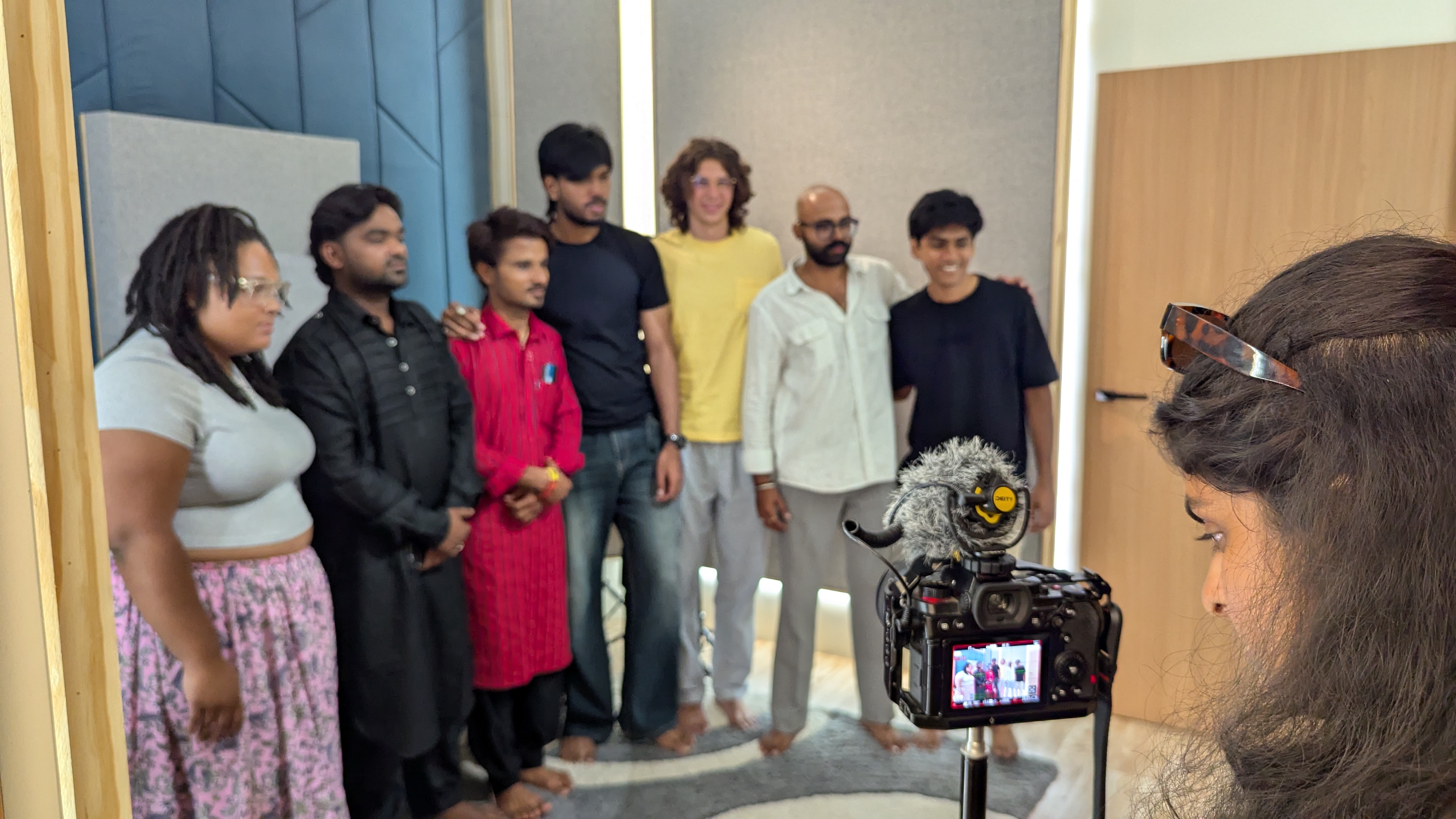
Our goal is to demystify both research and filmmaking. Students often hear the word "research" and assume it's something only academics do. They hear "documentary filmmaking" and assume they need special technical skills. The truth is that we teach those skills through the program. What matters most is curiosity, openness, and a willingness to learn.
If a student is considering this program, what are three things they can expect to come home with besides course credit?
1. An expanded worldview. There's no substitute for immersing yourself in another culture. Students come back with a broader perspective on the world and a better understanding of how people live, think, and solve problems in different cultural contexts.
2. A meaningful project and lasting relationships. Students leave with a completed documentary they can share with graduate schools, future employers, family, and friends. They also build relationships through cultural exchange, and many stay connected with the people they meet long after the program ends.
3. Souvenirs! Family members always love the souvenirs.