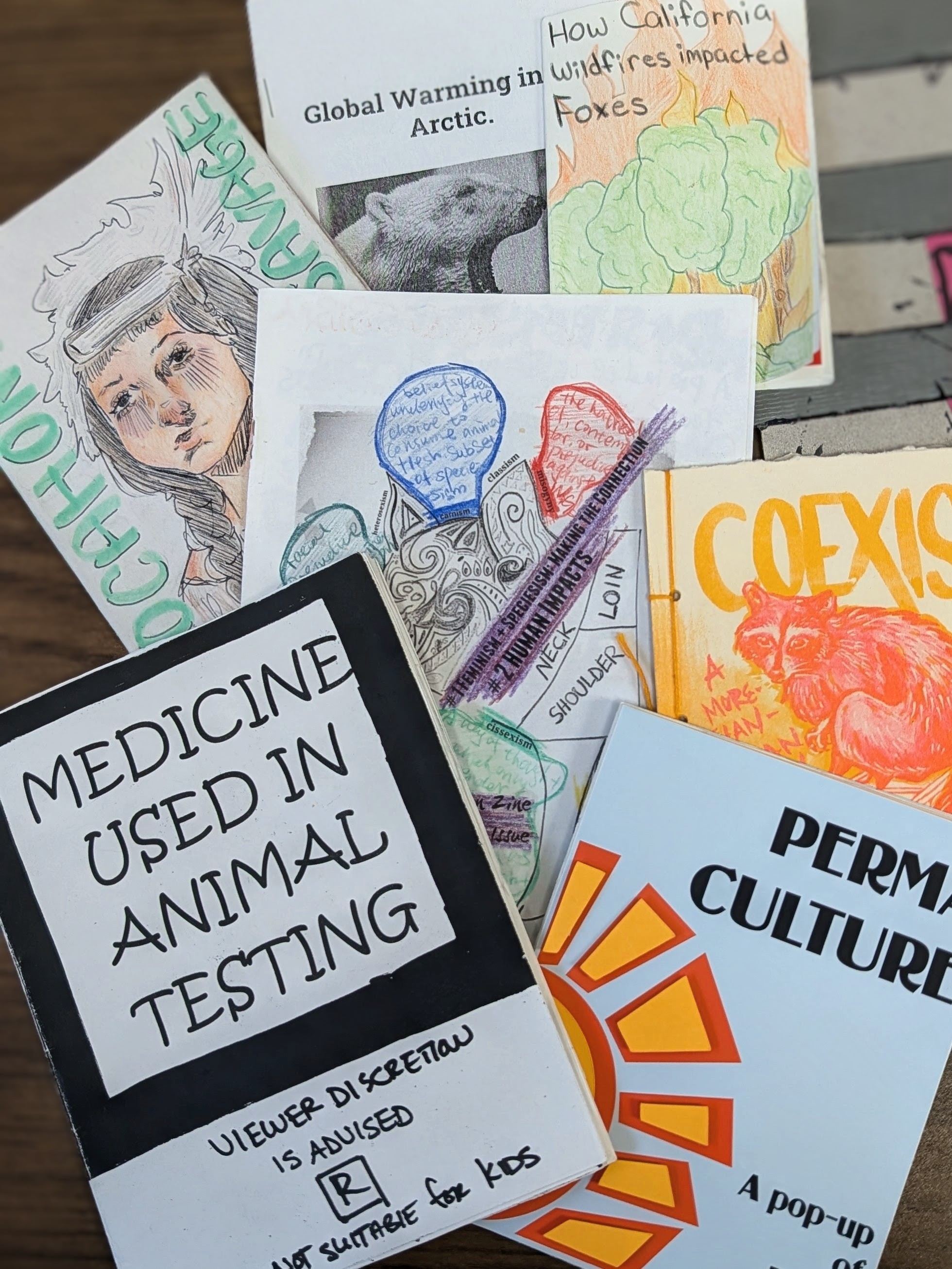
Most of us move through the world assuming we know what separates humans from other species. But those assumptions—often cultural, symbolic, or outdated—tell their own story.
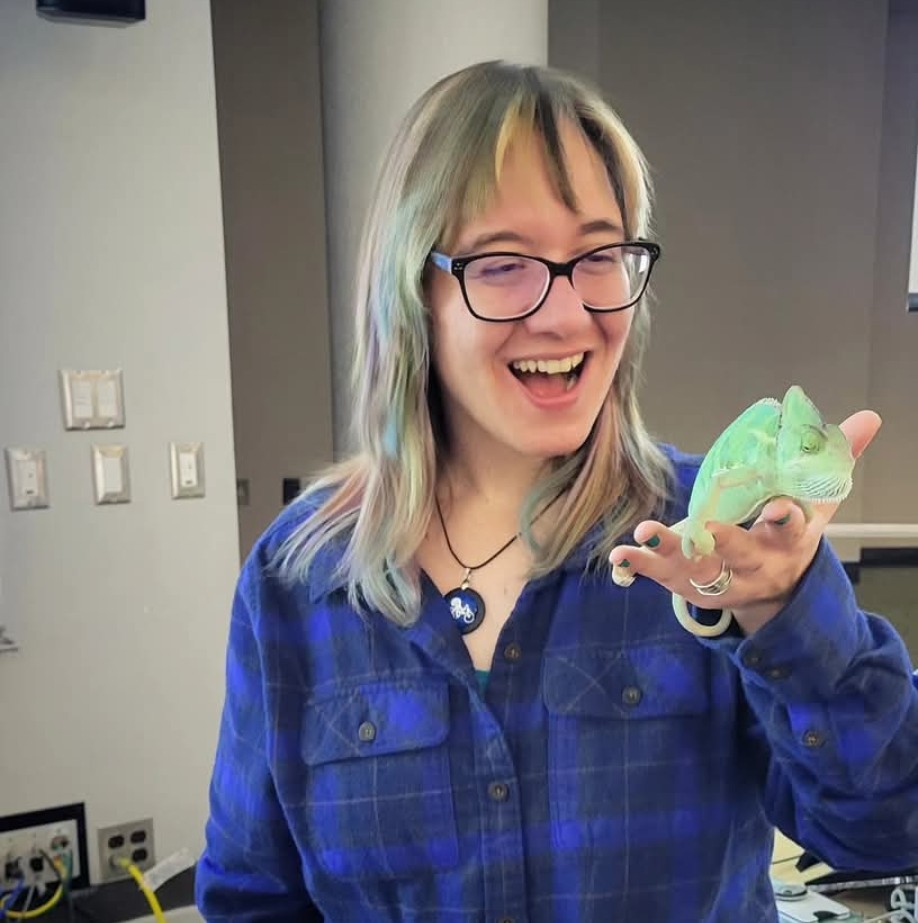
ISS 210: Animals and Society, students are invited to unravel those stories, exploring how different cultures make meaning through their relationships with other living beings. We sat down with Dr. Seven Mattes to find out how examining animals can reshape our understanding of humanity itself.
What inspired the creation of this course?
As an anthropologist specializing in the interdisciplinary area of Animal Studies, I am thrilled to have the opportunity to introduce social sciences through a non-human lens.
The course asks a foundational question, “What is an animal?” How do you invite students to rethink this question?
Humans are animals, of course, but there’s an abundance of culture “stuff” that asserts our separation from other species. By examining and critiquing that cultural “stuff,” we can develop curiosity and questions about what makes us human.
You challenge what you describe as “single, outdated stories” about humans and animals. Can you share an example of this?
Just like with other cultures that we lack experience with, it is common to have “single, outdated stories” about other species. Often, these associations are not even realistic (e.g. owls are wiser than other animals), but more symbolic and cultural. By recognizing how much of our experience with other animals is filtered through our culture, we can start to truly “see” other species in a more realistic and nuanced light.
How do cross‑cultural perspectives help students see human–animal relationships differently than they might through a single-centered lens?
Teaching social science from the lens of Animal Studies is a fun way to approach less-traveled trajectories, to critique and question what we take for granted about humans and our place on our shared planet.
Across time and cultures, our interactions with, perceptions of, and associations with other species are highly varied. By exploring these differences, we learn about other cultures, the roots of the differences, and practice understanding and responding to the vast diversity. Simultaneously, this lens gives students ample opportunities to see the shape and function of their own cultures and how their cultural background influences their relationship with other animals and humans.
What do you hope students take away from this course?
First, I hope students walk away with the awareness that they are never alone. They are deeply entangled with multitudes of other species. Second, I hope students understand that they are both products and producers of their culture—what comes next is up to them.
This is the fifth in a series about interesting ISS courses taught through MSU’s Center for Integrative Studies. Next up: Social Science Perspectives on Immigration to, and Migration Within, Post World War II Europe with Dr. Marcie Cowley, coming in March.