

Advancing inclusive learning through people and the environment
March 24, 2026 - Kelly Smith
Through MSU's Creating Inclusive Excellence Grant (CIEG) program, Assistant Professor Sandy Burnley developed an Honors section of ISS 310: People and the Environment, in collaboration with the Nokomis Cultural Heritage Center in Okemos and MSU’s American Indian and Indigenous Studies (AIIS) program. The course enhanced diversity, decolonial and anti-colonial methodologies, introduced traditional knowledge, and connected communities and resources within and beyond MSU. Working with honorarium speakers and local partners, the project advanced MSU’s land‑grant mission by meaningfully connecting students with regional Indigenous communities.
Designed for approximately 25 students, the course transformed how learners understood the relationship between people and the environment by including perspectives historically excluded from dominant narratives.
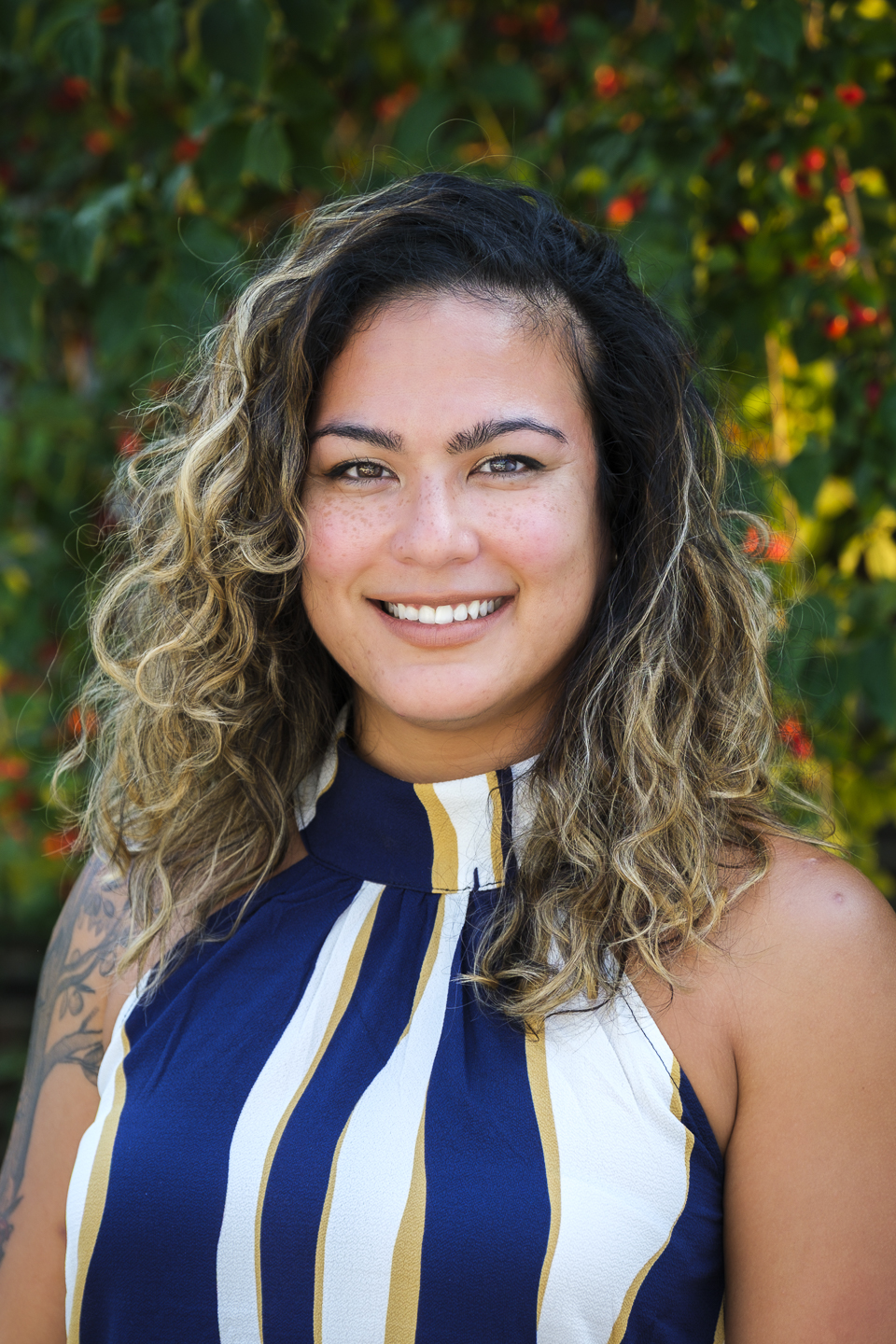
A central component of the course was a series of sessions led by honorarium speakers who were gathered with the help of John Ostrander, director of the Nokomis Cultural Heritage Center and Dr. Kevin Leonard, director of AIIS. Contributors included Nathan Wright, who addressed water and ecological sovereignty; Ariel Clark, JD, who explored environmental legislation and the Rights of Nature; and Nichole Bieber, who discussed traditional knowledge and human-animal relationships. These engagements enabled students to encounter environmental issues through Indigenous knowledge systems and contemporary struggles for sovereignty.
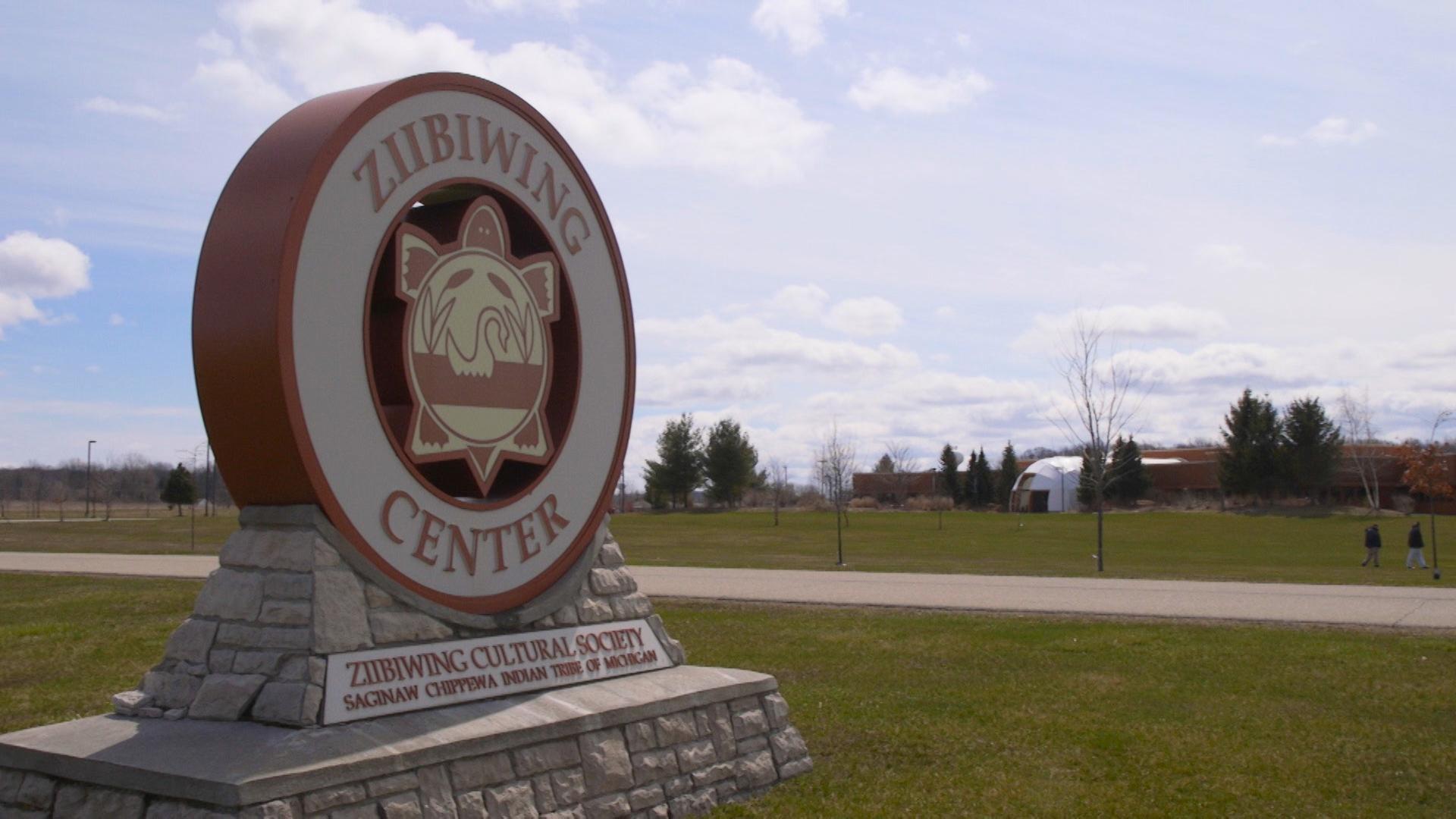
Students further expanded their learning through a field trip to the Ziibiwing Center in Mt. Pleasant, where they examined Indigenous sovereignty in the present moment and explored how historical and ongoing forms of colonialism shape relationships with land, resources, and governance.
Throughout the semester, students developed projects that tracked personal resource use, including energy, consumption, and waste management, to connect theoretical insights with their own everyday practices. Major collaborative projects included re‑mapping Turtle Island with careful attention to original peoples, names, cultures, and feasible decolonial proposals for moving forward.
The success of this Honors section laid the groundwork for two major long‑term outcomes: an experiential learning course currently in development, and a future study‑away program focused on decolonial environmental learning. These sustained initiatives extend the project’s impact beyond the initial grant period and reinforce MSU’s land‑grant mission by cultivating durable community partnerships and expanding high‑impact learning opportunities.